Can savings groups for mothers do more than grow businesses and keep children in the classroom?
Launched in November 2024, the Women’s Savings and Loans Association programme advocates for the empowerment of economically vulnerable mothers by helping them build financial independence, strengthen their livelihoods and create supportive community networks. In recent years, Ethiopia has faced numerous challenges significantly impacting living standards, such as the COVID-19 pandemic, conflicts, and severe climate shocks, as well as high inflation levels. We know that such strains and economic hardship disproportionately affect women and their families, in particular female-headed households. Unfortunately, this often leads to a higher number of girls dropping out of education to try and relieve some of the financial burdens their families face. Education is a crucial factor affecting women’s autonomy in Ethiopia, thus this project also aimed to especially support girls to remain in education.
How does the project work?
We take a comprehensive approach to ensure mothers living on low incomes gain practical skills, and develop a strong sense of community through a variety of activities:
- Group Formation and Fund Management – We bring women together in what we call self-help groups, allowing them to organise roles, set guidelines and elect a leader. Each member is offered a loan and are guided to establish a revolving fund where the group members themselves decide on savings contributions, loan terms and interest rates. Such tasks are aimed at growing their financial literacy directly as they ensure decisions can be independently made in the long term. Group members act as mutual collateral for each other which creates a sense of shared security and further fosters communal resilience.
- Training – Each member receives a 3-day training on managing savings, decision making and leadership skills to support the sustainability of the groups. To facilitate future endeavours, the procedures for loan applications are also covered. The women are able to explore the business opportunities suitable for them by researching any market gaps, local consumer demand as well as their previous experience and skills. Following this, they are mentored through developing a strong business plan by our trainers which means the women have a thorough understanding of each element of their business.
- Monitoring and Support – Comprehensive monitoring plans have been implemented to generate a clear picture of the impact of this programme.
Impacts so far…
We have been supporting ten women through this programme, eight women mothers from the Amhara region and two women from the Oromia region. Indirect beneficiaries also include 38 other family members such as children, partners or parents.
Members told us that they enjoyed participating in this programme as they have made tangible improvements to their businesses by applying their new skills learnt from the training activities and the loans offered. Most commonly the mothers have started selling local drinks and injera, selling vegetables or even producing traditional cloth.
- Personal Support – Our local staff have had a very influential role in motivating the mothers by fostering a relationship with them along the way and offering reassurance.
- Start-up Capital – The women have benefited from having access to savings and loans, not only to use in their current ventures but also to further grow their businesses in the future!
- Women Supporting Women – The support groups have been beneficial since the women understand each other they are able to share any worries regarding aspects of the programme and encourage one another.
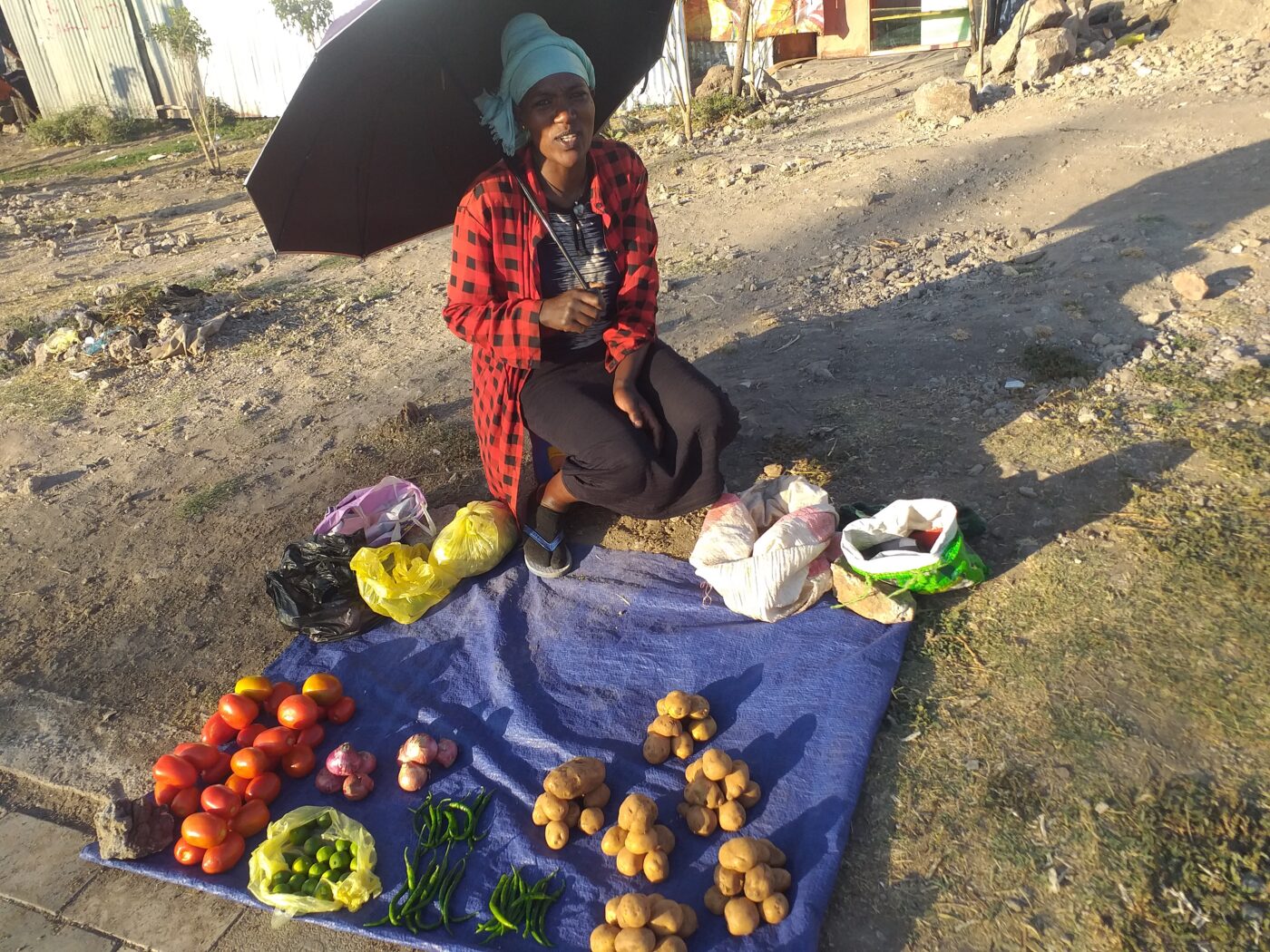
Asefu’s Story
Asefu* is a determined woman with 2 children: a son and a daughter who are both in education. Previously, she had a baltina business (selling shiro, red pepper powder, split beans, peas, and lentils) from her home, which provided her with some income for household expenses. However, due to scarcity of money and currency devaluation, she struggled to maintain her small business. To continue supporting her family she engaged in different activities despite income instability.
Through this programme, she has started producing traditional cloth and has been able to make a profit higher than the one she made from her previous jobs. She has been able to support her son’s education by purchasing a smartphone which he uses to access learning materials which are now all online. She is really proud that she has been able to increase her income by 50%.
Asefu has really enjoyed participating in this programme. Her favourite aspects have been the savings training sessions which contributed to the increase in her income and the helpful advice she has received from our staff.
*Name has been changed.
Meseret’s Story
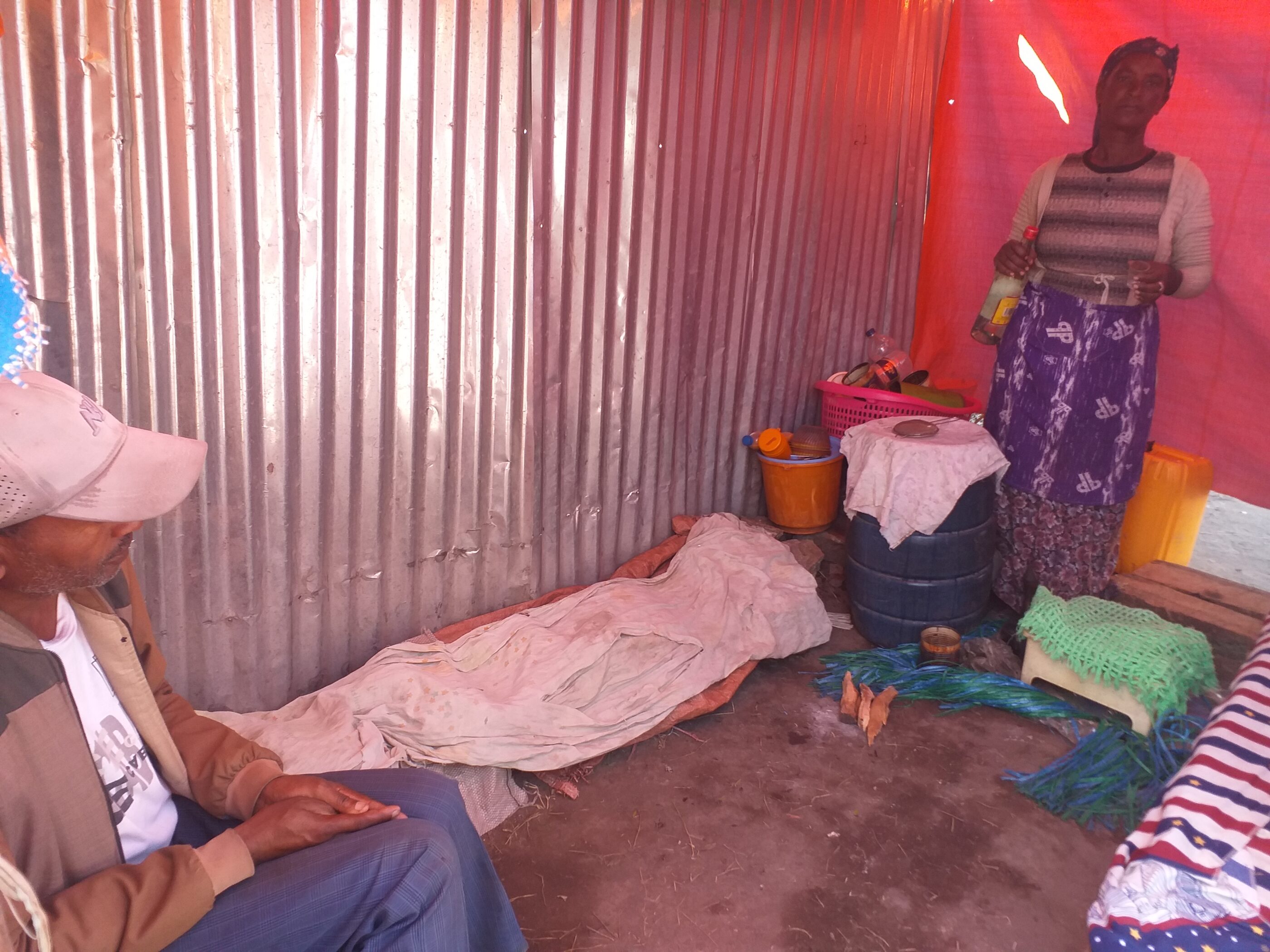
Meseret* is a single mother to three daughters and one son, all of whom are currently in school. She used to have a local drinks business which she operated from her home and generally attracted ten customer per day. Due to severe health issues, she was unable to prepare drinks regularly and started to lose customers. With the assistance of the project, she has re-established her business.
During the project period, she faced the challenge of her business premises being demolished due to the corridor development the area. She has gone back to operating her business from home for takeaway customers and has reported that it is doing well and she is gaining more profit with the support she has received. She has expanded by selling firewood and similar items which have also improved her profit margins.
Gentesh’s Story
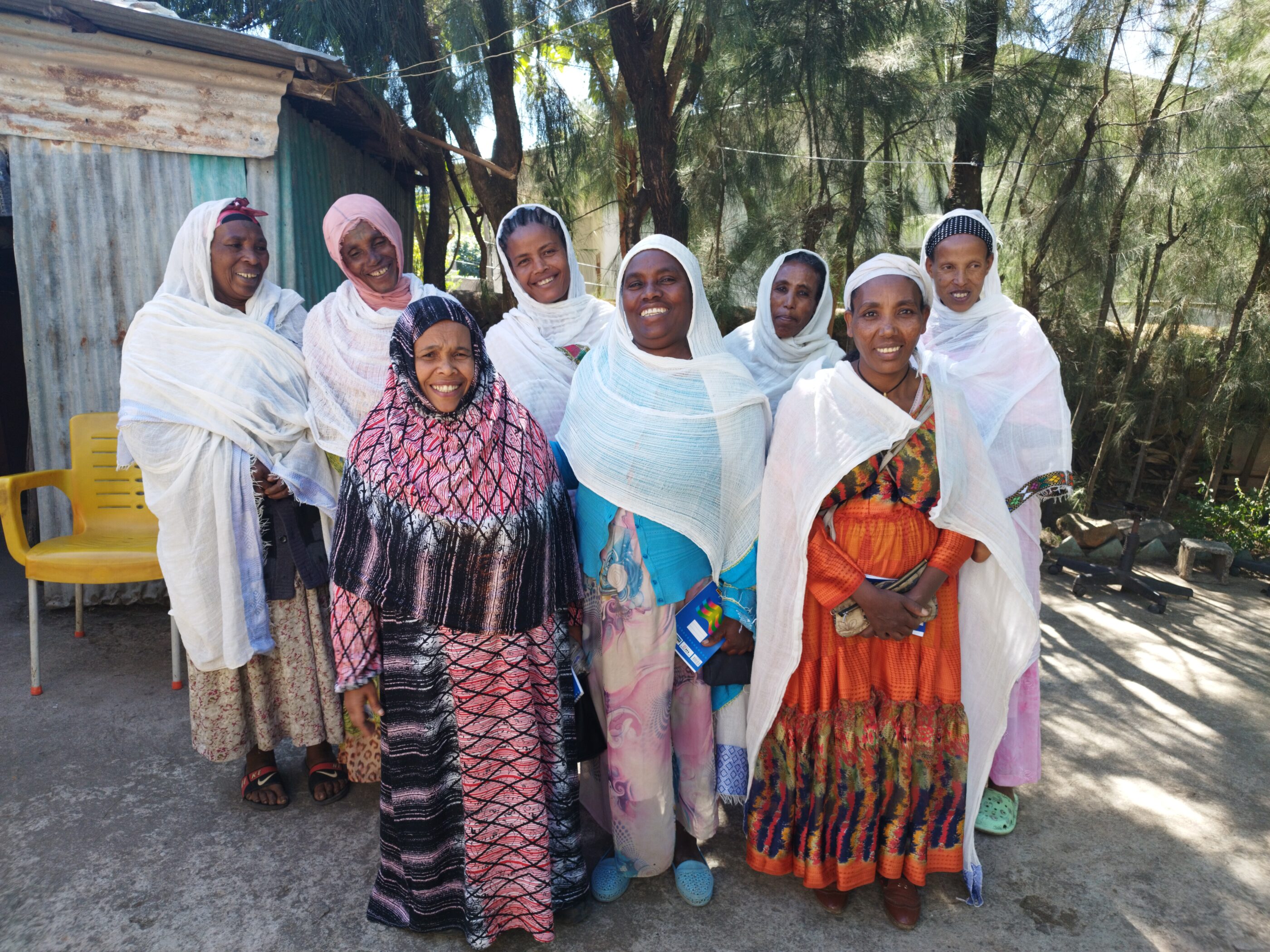
Gentesh* comes from a larger household; there are nine people in her family and she is raising two sons and one daughter who are in education.
She operated an injera (Ethiopian bread) business from her home to support household income alongside her husband’s salary, but also struggled to maintain this due to financial shortages, currency devaluation, and supporting her large family. With the support of the project, she has restarted her injera business and is planning on expanding this by purchasing a refrigerator to sell water or other drinks to her customers. Though she initially aimed to start both ventures, she faced similar issues from before such as financial shortages, so she has chosen to focus on the injera business.
Gentesh believes she has gained very valuable knowledge from the training and was grateful for the involvement of the staff who maintained their motivation to work efficiently.
Looking Ahead…
This programme was a pilot initiative to test the approach’s suitability and is now nearing its end. We are currently in the process of reflecting and can see encouraging early outcomes for these ten women and their families. The mothers have made great improvements to their lives and those of their families, especially in regards to nurturing their children’s education. Both the mothers and the team acknowledge that major financial breakthroughs require more time.
We will be deciding the best way to go forward, taking into account everything that we have learned. If you would like to find out more about supporting women so they can prioritise their children’s education, please get in touch.